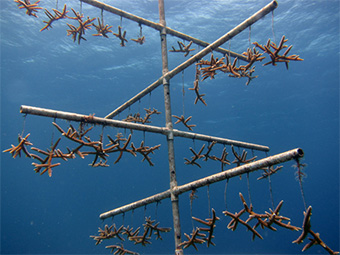
Marine protected areas (MPAs) are areas designated because they provide various kinds of protection to ocean and/or estuarine areas. They are intended to promote responsible fishery management and habitat protection. MPAs can also encompass social and biological objectives, including reef restoration, aesthetics, biodiversity and economic benefits.
The effectiveness of MPAs is still debated. For example, a study investigating the success of a small number of MPAs in Indonesia, the Philippines and Papua New Guinea found no significant differences between the MPAs and unprotected sites.Furthermore, in some cases they can generate local conflict, due to a lack of community participation, clashing views of the government and fisheries, effectiveness of the area and funding. In some situations, as in the Phoenix Islands Protected Area, MPAs provide revenue to locals. The level of income provided is similar to the income they would have generated without controls. Overall, it appears the MPA's can provide protection to local coral reefs, but that clear management and sufficient funds are required.
The Caribbean Coral Reefs - Status Report 1970-2012, states that coral decline may be reduced or even reversed. For this overfishing needs to be stopped, especially fishing on species key to coral reefs, such as parrotfish. Direct human pressure on coral reefs should also be reduced and the inflow of sewage should be minimised. Measures to achieve this could include restricting coastal settlement, development and tourism. The report shows that healthier reefs in the Caribbean are those with large, healthy populations of parrotfish. These occur in countries that protect parrotfish and other species, like sea urchins. They also often ban fish trapping and spearfishing. Together these measures help creating "resilient reefs"